
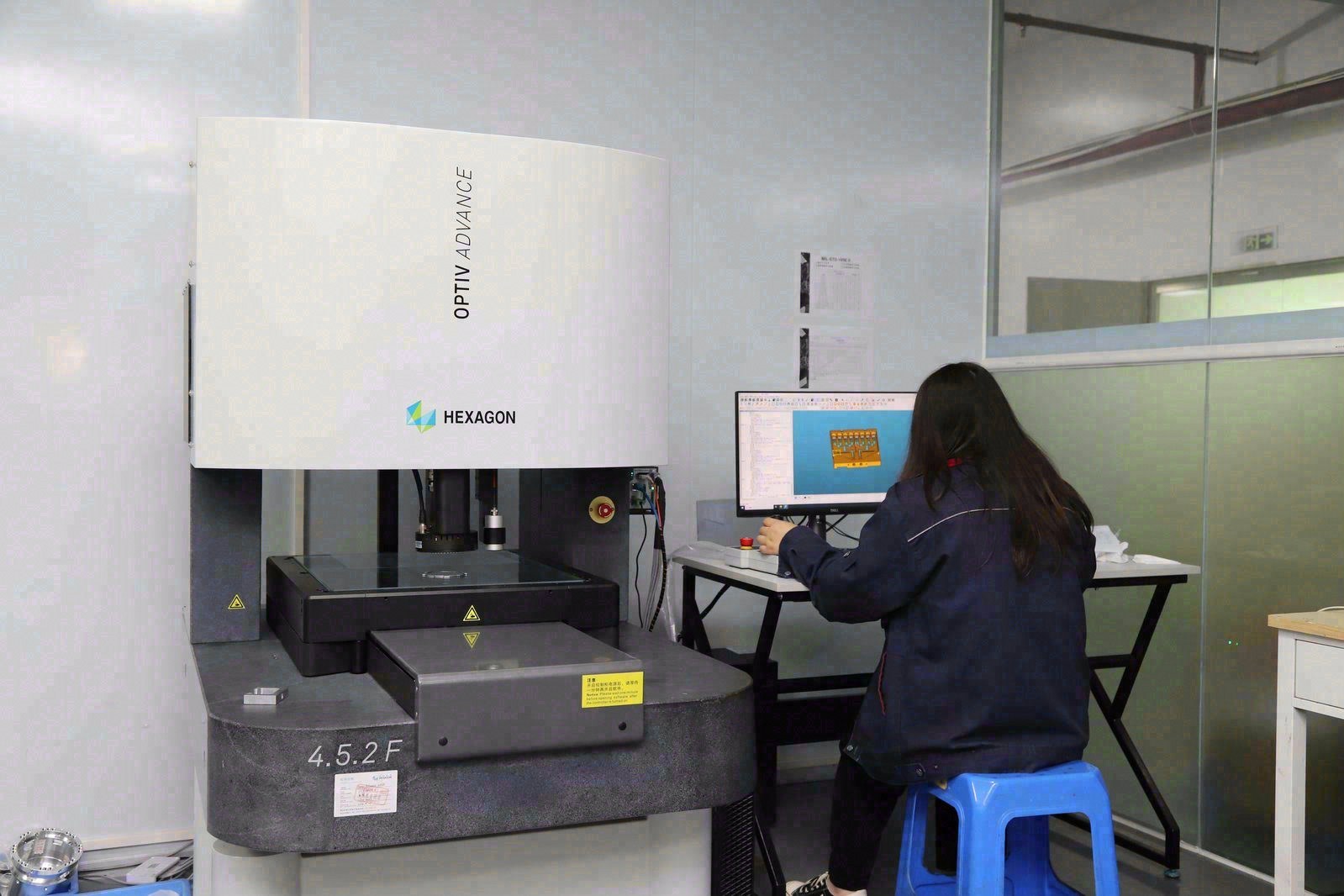
Every custom machined part that enters a medical device file arrives with a story about its material, and the story is told in conditions and certificates rather than in alloy names alone. The same stainless grade can be annealed for machining or hardened for service, and the file has to know which one was cut; the certificate has to tie the delivered metal to a heat and a standard; and the records have to show that the right condition, on the right heat, went into the right part. This guide walks through the conditions, certificates, and records a medical custom machined part needs, and the questions a buyer should ask before the metal moves.
Why does the file start with the material condition?
The condition of a metal is where its properties live. A 17-4PH part machined in the annealed state and then aged to H900 carries different strength and hardness from one used as-annealed, and a drawing that names the alloy without the condition leaves that difference to chance. On a medical part the properties are part of the design — the strength that carries a load, the hardness that resists wear, the corrosion behavior that must survive cleaning — so the condition is a specification, not a footnote.
The condition also decides the process. Machining a hard material is slower and wears tools differently from machining the same alloy annealed, which is why many medical parts are machined soft and treated afterwards, with the treatment as a separate step carrying its own schedule and its own inspection. When the drawing names the final condition and the path to it — machined annealed, then aged — the supplier can price the real route and the file can record the real history. The condition question is the first question of every medical machining enquiry, because every later document inherits its answer.
Which material conditions are common on medical parts?
Two patterns cover most medical machining. The first is the treat-after-machining pattern: a precipitation-hardening stainless such as 17-4PH is machined in its annealed, softer state and then aged to the specified hardness, which lets the shop cut the geometry before the material becomes difficult to machine. The second is the as-supplied pattern: austenitic stainless such as 316L and titanium alloys such as Ti-6Al-4V run in their mill-supplied condition, and the certificate states that condition. Both patterns work; what fails is a file that never says which one was used.
Where the design needs a hardened or treated part, the treatment step carries its own consequences for the file. Heat treatment can distort geometry, so the part is often machined with allowance and finished or verified after treatment; a coating can grow the surface, so dimensions are checked against the finished state. The drawing should name the final condition, the intermediate steps, and the post-treatment verification, because each is a record the device file will eventually need. A part whose treatment history is undocumented is a part whose final condition is unproven.
What should the certificate set prove for stainless and titanium?
The certificate is the first record the file meets, and it has to prove the specific metal, not the category. It should name the standard and the condition you specified, show the heat or lot number, carry the test values the standard requires, and match the marking on the delivered stock so incoming inspection can confirm the link. A certificate that says "stainless steel" without a heat or a condition is not a certificate for medical work; it is a description of a category, and the file cannot be built on categories.
For patient-contact and implantable parts, the certificate is only the visible end of a longer chain. The alloy may need to trace to an approved source whose material history can be audited, and that depth is purchased at the front, when the metal is ordered, not reconstructed later. Confirm with your regulatory team how deep the chain must be for each part, and state it in the RFQ so the supplier buys metal with the right paperwork from the start. The certificate that arrives with the metal is only as valuable as the chain it stands on.
How do machining fluids and handling affect medical parts?
Machining brings every surface into contact with fluids — coolants, oils, and the residues they leave — and for medical parts those residues are part of the cleanliness story. A part that must be clean cannot reach its next stage carrying the machining environment on its surfaces, and residues trapped in fine features are the hardest to remove. The shop's fluid choices and its cleaning discipline are therefore process details that belong in the conversation, because they decide how hard your own cleaning and validation have to work.
Ask what fluids touch the part, how chips and residues are removed, how the parts are handled after machining, and how the result is verified and packaged. Where the drawing calls for controlled cleanliness, the shop should document the cleaning method, the verification that it worked, and the packaging that preserves it through freight. The file should reflect the actual handling — gloved or bare, oiled or clean, bagged or loose — because the handling is part of how the part was made, and the auditor who questions the part in three years will not have the machinist's memory to ask.
What should the first article and capability records show?
The first article is the record that proves the process holds the drawing, and on a medical part it should cover every characteristic rather than the convenient ones. The report names the drawing revision, lists each measured value against its tolerance, and states the instrument that produced each — a CMM for a bore, a gauge for a thread, a roughness tester for a finish. Where the part carries critical features, the report should be joined by capability data from the run, because a stable process at Ppk ≥ 1.67 initial on a tight feature is the evidence that the batch, not the sample, is in control.
The review of the first article belongs on a schedule. Name the approver before the order, set an approval window you can keep, and release the run in writing the day the sample passes, because the gap between sample-ready and run-release is pure calendar that no process improvement can recover. A first article reviewed against the approved revision, with its instruments named and its capability shown, is the document that lets the run begin with confidence; one that is reviewed late or against a vague standard lets the run begin with doubt, and doubt travels into every part of the batch.
How do you verify lot records from a distance?
Lot traceability is what makes the file reconstructable after the parts have shipped and the people have moved on. The lot record should tie the material heat to the work order, the machine and program to the run, the inspection results to the parts, and the finished lot marking to the batch that left the building. When the lot record travels with the shipment, the buyer can check it against the certificate and the report the day the parts arrive, and the consistency check is the traceability test that matters most, because it works from any distance and requires nothing but reading the documents together.
Agree the lot record's contents and retention before the first production lot runs, in the language your file uses. A supplier that keeps lot records in the format you need is a supplier whose file will assemble itself; one that keeps records in an internal system and offers to reconstruct them later is a risk wearing the shape of a convenience. Where the part is patient-contact, the record often extends through cleaning and packaging, so agree how far the trail reaches and who holds each segment. Traceability that is agreed before the lot is traceability that will exist after the lot.
Review the lot marking with the same care as the records. The marking on the parts or their packaging should reference the lot so that a returned part, a failed sample, or an audit question can be traced back to its heat, its machine time, and its inspection results without a guess. A mark that survives freight and storage is the physical handle the file reaches for when the paperwork alone cannot identify a part, and it costs nothing to specify.
Which supplier-level quality evidence matters beyond the documents?
The documents prove a lot; the quality system proves a supplier. The system question is answered on two levels: the certificate that says a system exists, and the sample file that shows what it produces. Many medical programs flow their requirements onto a machining shop operating on a certified ISO 9001:2015 system, adding contractual controls for material, inspection, cleanliness, and records; programs that require it hold ISO 13485 as their frame. Read the certificate scope, and then ask to see a completed part file — certificate, first article, report, lot record — and read it the way your auditor will.
The sample file is the most honest evidence a supplier can offer, because it shows the system's output rather than its claims. A file whose heat numbers reconcile, whose reports reference revisions, and whose dates tell a coherent story is a file your part could join; one with gaps is a system that will reproduce its gaps on your order. On this site the quality practice is documented on the quality page, and the kind of medical parts these records follow is shown on the parts page. The supplier conversation should therefore ask for the system certificate and the sample file together, and should treat the file as the real evidence.
What should the RFQ and purchase order require for a medical part?
The documentation of a medical custom machined part only materializes if the order requires it, so the RFQ and PO should carry the requirements as clauses. Name the material standard, the condition, and the path to any treatment, with the certificate and the acceptance rule at receiving. Require the first article to cover every characteristic against the approved revision, with the instrument for each and capability data on critical features. State the cleanliness and handling expectations with their evidence, and fix the lot record contents, language, and retention. Add the substitution rule — no grade or condition change without written approval — because a quiet substitution is a change that never reaches the file.
With the clauses in place, the documentation becomes part of what is bought rather than an assumption about what arrives. The certificate is checked at receiving, the condition verified against the drawing, the first article reviewed at the gate, the cleanliness evidence at shipment, and the lot records at retention. The factory behind this site, described on the factory page, treats the medical document set as a production deliverable under that same discipline, which is the arrangement that lets a device file stay consistent years after the shipment. A medical custom machined part is bought twice — once as metal and once as evidence — and the buyer who specifies the evidence at the front is the buyer whose file holds together at the back.
The buyer's rule of thumb: certify the condition, not just the alloy; trace the heat, not just the grade; and require the records in the order so they exist in the file. On medical parts, the evidence is part of the part.
Frequently Asked Questions
Why is the material condition more important than the alloy name?
Because the condition carries the properties. An annealed bar and a hardened bar of the same alloy behave differently in machining and in service, and the device file must know which one was cut. Naming the grade without the condition leaves the property story to chance, and on a medical part the property story is part of the design.
Which material conditions are common on medical machined parts?
Two patterns cover most parts. Stainless is often machined in a softer condition and, where the design needs hardness, treated afterwards — 17-4PH is the classic example, machined annealed and then aged. Titanium and some austenitic stainless run in their supplied condition with the certificate stating it. The drawing should name the condition for every part that will be treated, because it changes the process and the schedule.
What should a certificate prove for a medical machined part?
It should tie a named heat to the named standard and condition, carry the test values the standard requires, and match the marking on the delivered stock. For patient-contact work the chain often runs deeper, to an approved material source. The depth is a design decision made with your regulatory team, and it should be stated before the metal is ordered.
How do machining fluids affect medical parts?
Coolants and oils contact every machined surface, and residues that remain are part of what the next cleaning step has to remove. For parts that must be clean, the shop should use fluids compatible with the material and the application, and document the cleaning and verification. The fluid choice is a process detail that shows up later in your own validation, so it is worth asking about.
What should the first article records show for a medical part?
Every characteristic measured against the approved revision, with the value, the tolerance, and the instrument for each. Where a feature is critical, add capability data across the run rather than a single value, because the process capability is what the run will be judged by. A first article that names its instruments and its revision is evidence you can release; one that does not is a formality.
How do you verify lot records from a distance?
By requiring the lot record to travel with the shipment and checking it against the other documents. The certificate heat should appear in the lot record, the report should reference the approved revision, and the packing quantity should reconcile. Consistency between documents is the cheapest traceability test available, and it works as well from another continent as from the receiving dock.
Which supplier evidence matters beyond the material documents?
The quality system that produces them. Certificates verify the system exists; a completed sample file shows what it produces. Many medical programs flow requirements onto a shop certified to ISO 9001:2015 with contractual additions; programs that require it hold ISO 13485. Ask for both the certificate and a sample part file, and read the file the way your auditor will.
Need a medical part file that certifies the condition end to end?
Send the drawing and the material condition through the contact page — the review returns the certificate, treatment, and record plan in writing before any metal moves.